
What can a tabletop help my team do?
Strengthen How Your Teams Respond Together
A tabletop exercise creates space to work through the questions that are difficult to answer on paper.
Who makes the call? Who needs to know? How do teams communicate? Where are responsibilities unclear? And what should change once the exercise is over?
With a Nysernet tabletop engagement, your organization can:
- Practice how teams make decisions during a cyber incident
- Clarify roles and responsibilities before they're needed
- Strengthen communication across technical and nontechnical teams
- Identify gaps in incident response plans, policies and processes
- Give leaders greater confidence in their role during an incident
- Turn lessons from the exercise into practical improvements
- Better understand regulatory and compliance considerations

From Plan to Practice
Incident Response is an Organizational Strategy
When an incident occurs, leaders, legal counsel, communications, finance, human resources and other teams may all have decisions to make. A tabletop gives those people an opportunity to understand their roles, work through dependencies and identify questions before the pressure of a real incident.
The goal is to create a productive environment where your team can ask questions, challenge assumptions and learn together.
The outcome is a stronger strategy and an aligned response.

Find the Best Tabletop for Your Team
The right tabletop depends on what you want to learn, who needs to participate and how much incident response practice your organization already has.
Your first engagement might focus entirely on your technical team. A future exercise might bring in legal, communications or senior leadership. The goal is not to reach the highest tier. It's to create the exercise that will be most useful to your organization now.
Tell us what you want to test, and Nysernet will help you determine the right approach.
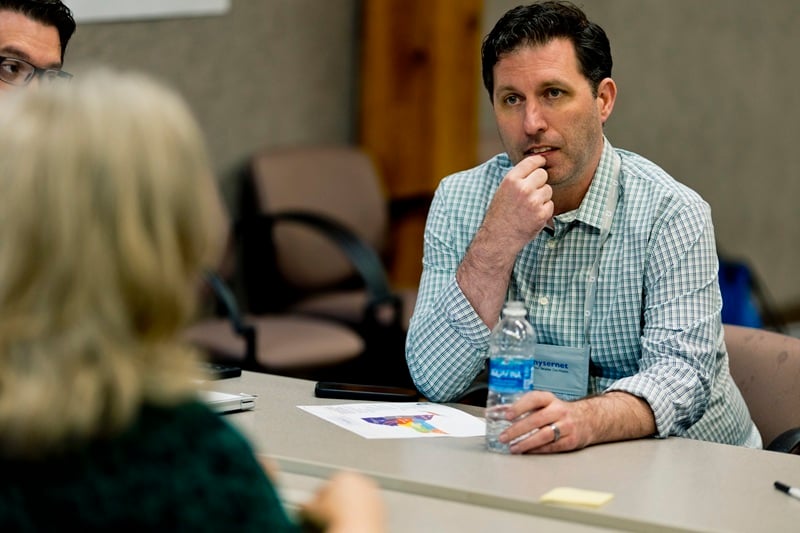
Best for IT and security teams building incident response maturity.
Focus: Establish foundational response skills, identify gaps and create learning opportunities.
Your team gains:
Greater technical knowledge, clearer responsibilities and a stronger foundation for incident response.
Choose this option when:
Your technical team is newer to tabletop exercises or needs a manageable place to start.

Best for established technical and security teams.
Focus: Challenge response skills with realistic scenarios and simulated malware.
Your team gains:
Greater familiarity with the tools and techniques used by adversaries and more practice responding as a technical team.
Choose this option when:
Your team already understands the basics and wants a more challenging technical exercise.
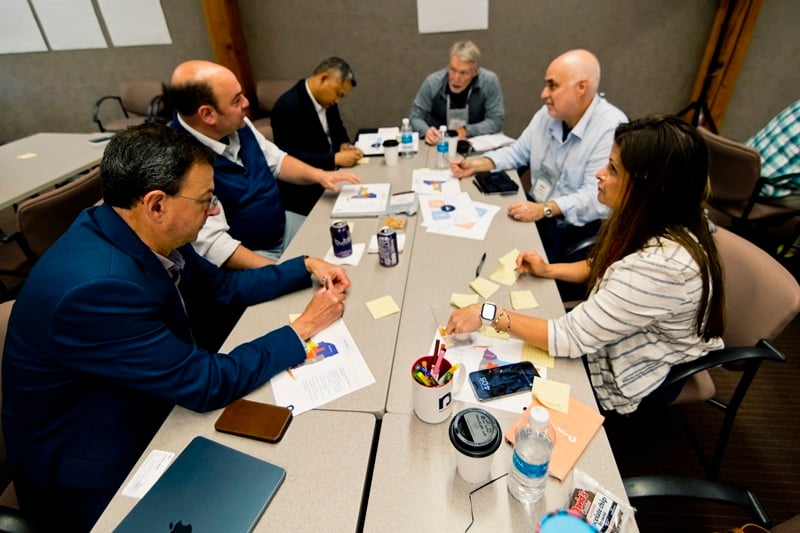
Best for organizations ready to bring key stakeholders into the response plan.
Focus: Strengthen coordination across teams and uncover gaps in how people work together during an incident.
Your team gains:
Stronger cross-functional collaboration and greater technical and legal readiness.
Choose this option when:
You need to move beyond an IT-only response and practice how multiple parts of the organization work together.

Best for senior leaders, board members and cross-functional stakeholders.
Focus: Practice strategic decision-making and leadership during a complex cyber incident.
Your team gains:
Stronger leadership coordination and greater understanding of regulatory, communications and technical responsibilities.
Choose this option when:
Your organization wants executives and other decision-makers to understand and practice their role in incident response.
Best for IT and security teams building incident response maturity.
Focus: Establish foundational response skills, identify gaps and create learning opportunities.
Your team gains:
Greater technical knowledge, clearer responsibilities and a stronger foundation for incident response.
Choose this option when:
Your technical team is newer to tabletop exercises or needs a manageable place to start.
Best for established technical and security teams.
Focus: Challenge response skills with realistic scenarios and simulated malware.
Your team gains:
Greater familiarity with the tools and techniques used by adversaries and more practice responding as a technical team.
Choose this option when:
Your team already understands the basics and wants a more challenging technical exercise.
Best for organizations ready to bring key stakeholders into the response plan.
Focus: Strengthen coordination across teams and uncover gaps in how people work together during an incident.
Your team gains:
Stronger cross-functional collaboration and greater technical and legal readiness.
Choose this option when:
You need to move beyond an IT-only response and practice how multiple parts of the organization work together.
Best for senior leaders, board members and cross-functional stakeholders.
Focus: Practice strategic decision-making and leadership during a complex cyber incident.
Your team gains:
Stronger leadership coordination and greater understanding of regulatory, communications and technical responsibilities.
Choose this option when:
Your organization wants executives and other decision-makers to understand and practice their role in incident response.
Who should be at the table?
Bring the Right Voices Into the Conversation
Participants depend on the goals and complexity of the engagement.
A tabletop may include:
- Cybersecurity and IT teams
- CIOs and CISOs
- Senior leadership
- Legal counsel
- Communications and public relations
- Human resources
- Finance
- Risk and compliance teams
- Board members
- Other teams with responsibilities during an incident
You don't need everyone in every exercise. Nysernet can help determine which participants will make the engagement most useful.

Frequently Asked Questions

A Cyber Resiliency Tabletop Engagement is a guided discussion that lets your organization practice how it would respond to a realistic cyber incident.
Participants work through a scenario, discuss decisions and responsibilities and identify opportunities to strengthen response plans, communication and coordination.
Participants depend on what your organization wants to test.
A technical tabletop may focus on IT and security teams. A cross-functional exercise may include leadership, legal, communications, human resources, finance, risk and compliance teams. Executive-focused engagements can also include senior leaders and board members.
A tabletop can be useful whether your incident response program is still developing or already well established.
For newer teams, the exercise can help identify foundational gaps and learning opportunities. More established organizations can use tabletops to challenge existing plans, test collaboration or involve additional stakeholders. Nysernet offers engagement options designed for different levels of readiness.
An expert facilitator guides your team through a scenario tailored to your organization and goals. Participants discuss how they would respond as the situation develops, work through decisions and receive feedback along the way.
The engagement is designed to surface questions and opportunities for improvement in a constructive environment.
Yes. Nysernet tailors tabletop engagements to your organization's risk profile, priorities, participants and desired outcomes rather than repeating the same exercise for every organization.
No. Cyber incidents can require decisions across the organization.
Depending on the exercise, legal, communications, finance, human resources, senior leadership, board members and other stakeholders may participate alongside IT and cybersecurity teams.
Start with what you want to learn and who needs to practice.
If you're developing foundational technical readiness, a Tier 1 engagement may fit. Established technical teams may benefit from Tier 2. Organizations focused on cross-functional coordination may consider Tier 3, while Tier 4 is designed for senior leadership and board-level engagement.
You do not need to decide on your own. Nysernet can help you select and tailor the engagement.
There isn't one schedule that fits every organization. The right frequency depends on your risk profile, organizational changes, incident response maturity, compliance needs and what you learned from previous exercises.
More important than simply repeating an exercise is using each tabletop to improve your response and identify what should be tested next.
Insights
Cybersecurity News & Updates

Request a Consult
Practice Today. Respond with Greater Confidence Tomorrow.
Give your people the opportunity to work through the decisions, conversations and responsibilities that make an incident response plan work.
Nysernet will help you create an engagement that meets your organization where it is and strengthens the way your team responds, together.
For more information or to get started, contact us using this form.
